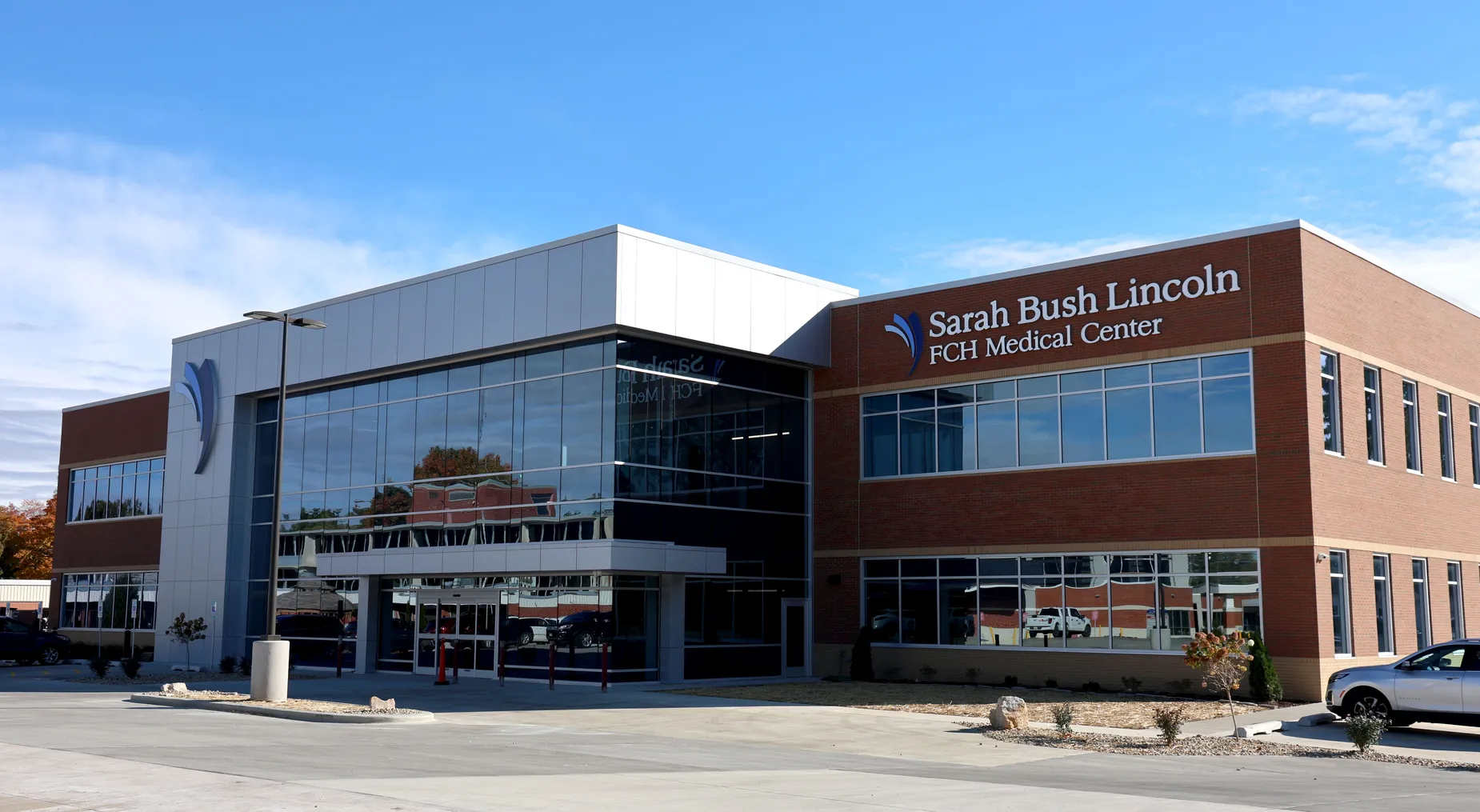
SBL FCH Medical Center
660 W. Taylor St.
Vandalia, IL 62471
618-283-5548
Located on the first floor of the SBL FCH Medical Center, our therapy team is dedicated to providing exceptional care and helping individuals recover from injuries, illnesses, or disabilities. Therapy Services aims to restore their physical, cognitive and functional abilities for people of all ages. Physical and occupational therapists and speech language pathologists work with patients to enhance independence, promote mobility and improve overall quality of life.
Occupational Therapy
SBL FCH Medical Center
660 W. Taylor St.
Vandalia, IL 62471
618-283-5548
Hours:
8 am to 4 pm, Monday - Friday
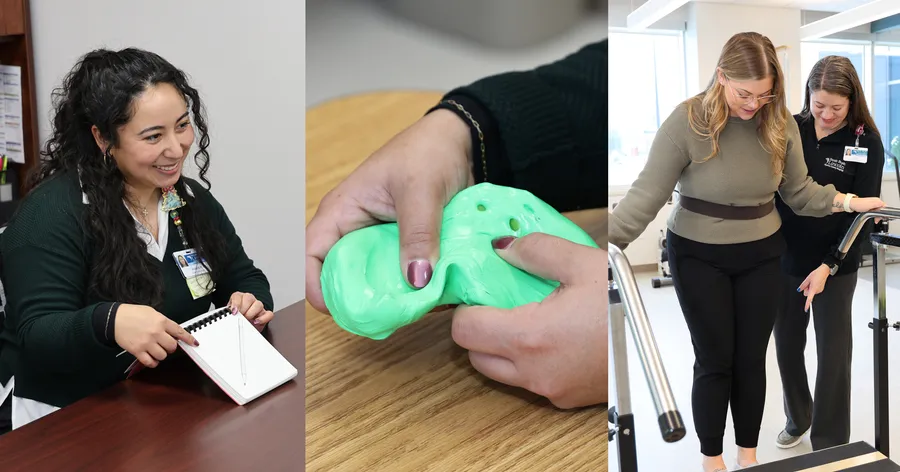
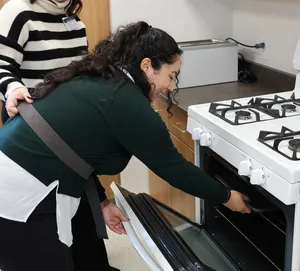
Occupational therapy facilitates the patient’s ability to perform functional activities while conserving energy and protecting painful joints. These services may include, but are not limited to, splinting, self care training, exercise and instruction on the use of adaptive equipment. We customize treatment programs aimed at improving our patient’s ability to carry out activities of daily living. Our goal is to assist our patients in achieving their greatest level of independence so they may lead productive and satisfying lives. Some conditions for which occupational therapy is warranted include the following:
- Carpal Tunnel Syndrome
- Developmental Delays
- Head Trauma
- Joint Replacement
- Pain (wrist, hands, fingers)
- Post-Mastectomy
- Reflex Sympathetic Dystrophy (RSD)
- Spinal Cord Injury
- Stroke
Many other diagnoses exist for which occupational therapy treatment is appropriate and beneficial. Please, contact our department to speak with a therapist about any questions or concerns related to you or your loves one’s therapy needs.

Physical Therapy
SBL FCH Medical Center
660 W. Taylor St.
Vandalia, IL 62471
618-283-5548
Hours:
8 am to 4 pm, Monday - Friday
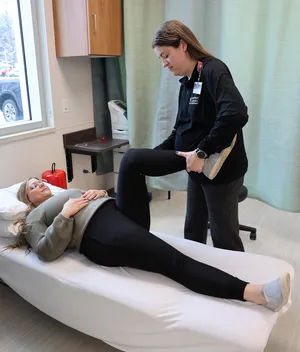
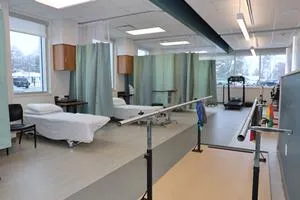
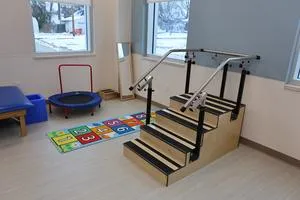
Physical Therapy involves the treatment of musculoskeletal, neurological and cardiopulmonary disorders via non-invasive methods. Therapy often includes, but is not limited to, the use of exercise, muscle re-education, transfer training, ambulation training, modality equipment (heat, ice, ultrasound, electrical stimulation, laser) and adaptive equipment (walker, cane, crutch, prosthetics, wheelchairs) to achieve our patient’s best functional outcome. Education on pain control, injury prevention, safety and home exercise is another component of physical therapy.
 Conditions for which physical therapy is commonly utilized include:
- Dizziness
- Gait Dysfunction
- Joint Pain
- Joint Replacement
- Ligament Sprain
- Muscle Strain
- Neurological Disorders (stroke, spinal cord injury, head trauma)
- Pediatric Therapy
- Post-Surgical Care (back and neck surgery, ligament repair, cartilage repair)
- Spine Pain
- Weakness
Many other diagnoses exist for which physical therapy treatment is appropriate and beneficial. Please, contact our department to speak with a therapist about any questions or concerns related to you or your loved one’s therapy needs.
 .
. 
Speech Therapy
SBL FCH Medical Center
660 W. Taylor St.
Vandalia, IL 62471
618-283-5548
Hours:
8 am to 4 pm, Monday - Friday
Speech Language Therapy encompasses the full range of human communication and its disorders. Speech Language Pathologists (SLP’s) evaluate and treat speech, language and swallowing disorders in people of all ages in an effort to improve functional living. Speech Therapy is often warranted in individuals who experience any of the following conditions:
- Alzheimer’s Disease
- Cognitive Communication Therapy
- Dysphagia (swallowing difficulty)
- Language Development
- Multiple Sclerosis
- Muscular Dystrophy
- Parkinson’s Disease
- Recurrent Pneumonia (may be due to aspiration)
- Speech Delays
- Speech Sound Disorders
- Stroke
- Stuttering
Many other diagnoses exist for which speech language therapy treatment is appropriate and beneficial.Please, contact our department to speak with a therapist about any questions or concerns related to you or your loved one’s therapy needs.
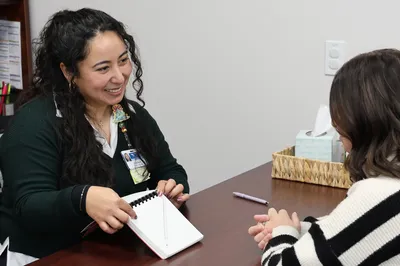
Located on the first floor of the SBL FCH Medical Center, our therapy team is dedicated to providing exceptional care and helping individuals recover from injuries, illnesses, or disabilities. Therapy Services aims to restore their physical, cognitive and functional abilities for people of all ages. Physical and occupational therapists and speech language pathologists work with patients to enhance independence, promote mobility and improve overall quality of life.
Occupational Therapy
SBL FCH Medical Center
660 W. Taylor St.
Vandalia, IL 62471
618-283-5548
Hours:
8 am to 4 pm, Monday - Friday
Occupational therapy facilitates the patient’s ability to perform functional activities while conserving energy and protecting painful joints. These services may include, but are not limited to, splinting, self care training, exercise and instruction on the use of adaptive equipment. We customize treatment programs aimed at improving our patient’s ability to carry out activities of daily living. Our goal is to assist our patients in achieving their greatest level of independence so they may lead productive and satisfying lives. Some conditions for which occupational therapy is warranted include the following:
- Carpal Tunnel Syndrome
- Developmental Delays
- Head Trauma
- Joint Replacement
- Pain (wrist, hands, fingers)
- Post-Mastectomy
- Reflex Sympathetic Dystrophy (RSD)
- Spinal Cord Injury
- Stroke
Many other diagnoses exist for which occupational therapy treatment is appropriate and beneficial. Please, contact our department to speak with a therapist about any questions or concerns related to you or your loves one’s therapy needs.
Physical Therapy
SBL FCH Medical Center
660 W. Taylor St.
Vandalia, IL 62471
618-283-5548
Hours:
8 am to 4 pm, Monday - Friday
Physical Therapy involves the treatment of musculoskeletal, neurological and cardiopulmonary disorders via non-invasive methods. Therapy often includes, but is not limited to, the use of exercise, muscle re-education, transfer training, ambulation training, modality equipment (heat, ice, ultrasound, electrical stimulation, laser) and adaptive equipment (walker, cane, crutch, prosthetics, wheelchairs) to achieve our patient’s best functional outcome. Education on pain control, injury prevention, safety and home exercise is another component of physical therapy.
Conditions for which physical therapy is commonly utilized include:
- Dizziness
- Gait Dysfunction
- Joint Pain
- Joint Replacement
- Ligament Sprain
- Muscle Strain
- Neurological Disorders (stroke, spinal cord injury, head trauma)
- Pediatric Therapy
- Post-Surgical Care (back and neck surgery, ligament repair, cartilage repair)
- Spine Pain
- Weakness
Many other diagnoses exist for which physical therapy treatment is appropriate and beneficial. Please, contact our department to speak with a therapist about any questions or concerns related to you or your loved one’s therapy needs.
.
Speech Therapy
SBL FCH Medical Center
660 W. Taylor St.
Vandalia, IL 62471
618-283-5548
Hours:
8 am to 4 pm, Monday - Friday
Speech Language Therapy encompasses the full range of human communication and its disorders. Speech Language Pathologists (SLP’s) evaluate and treat speech, language and swallowing disorders in people of all ages in an effort to improve functional living. Speech Therapy is often warranted in individuals who experience any of the following conditions:
- Alzheimer’s Disease
- Cognitive Communication Therapy
- Dysphagia (swallowing difficulty)
- Language Development
- Multiple Sclerosis
- Muscular Dystrophy
- Parkinson’s Disease
- Recurrent Pneumonia (may be due to aspiration)
- Speech Delays
- Speech Sound Disorders
- Stroke
- Stuttering
Many other diagnoses exist for which speech language therapy treatment is appropriate and beneficial.Please, contact our department to speak with a therapist about any questions or concerns related to you or your loved one’s therapy needs.